
Cannabis rewards apps have become a common feature of the modern dispensary experience. As legal cannabis markets mature, retailers and brands increasingly rely on mobile technology to build loyalty, personalize offers, and encourage repeat visits. For consumers, these apps promise convenience and savings. For dispensaries, they offer valuable insights into customer behavior. Still, cannabis rewards apps come with both advantages and drawbacks worth understanding before signing up.
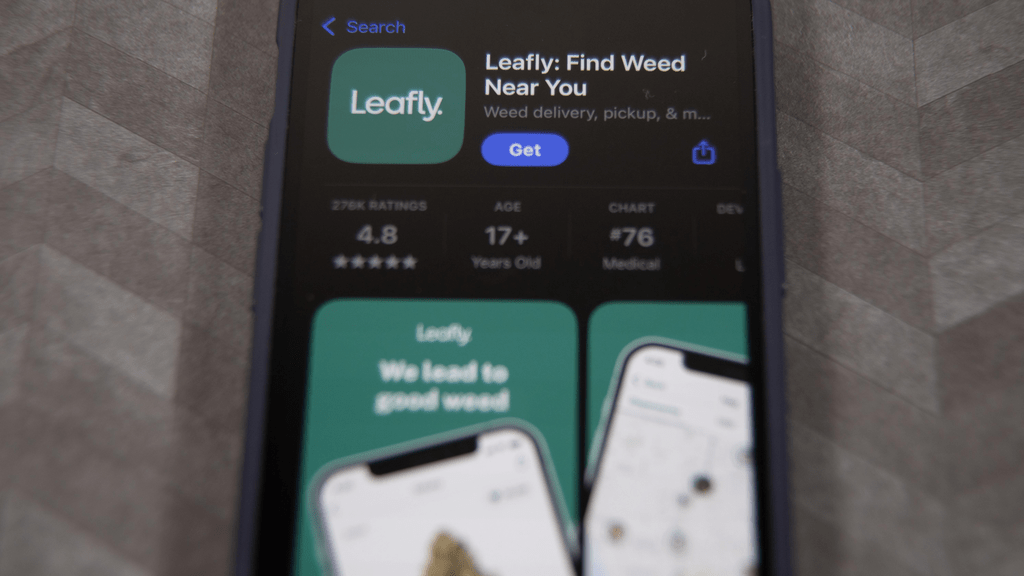
At their best, cannabis rewards apps simplify how customers earn and redeem benefits. Most platforms allow users to track points, receive exclusive discounts, and get notified about limited-time deals. Many dispensaries integrate rewards directly into popular cannabis discovery platforms like Weedmaps and Leafly, making it easier for shoppers to browse menus, check availability, and redeem offers in one place. This streamlined experience can save time and reduce friction, especially for frequent customers.
One major advantage of cannabis rewards apps is personalization. By analyzing purchase history and preferences, apps can deliver targeted promotions that align with a customer’s interests. Someone who regularly buys edibles may receive discounts on gummies or beverages, while a flower-focused shopper might see early access to new strains. This tailored approach can make rewards feel more relevant rather than generic, increasing overall satisfaction.
Another benefit is transparency. Rewards apps allow users to clearly see how points are earned, what rewards are available, and when promotions expire. This visibility builds trust between consumers and dispensaries, reducing confusion at checkout. From a business perspective, apps also support consistent engagement through push notifications, birthday rewards, and loyalty milestones that encourage return visits.
Despite these advantages, cannabis rewards apps are not without downsides. One common concern is data privacy. To function effectively, these apps often collect personal information, including purchase history and location data. While many companies follow privacy regulations and industry standards, some consumers remain uneasy about sharing cannabis-related data, particularly in states where social stigma or employment concerns still exist.
Another drawback is app fatigue. With many dispensaries running their own rewards programs, consumers may find themselves juggling multiple apps, logins, and point systems. This fragmentation can reduce the overall value of rewards, especially when points cannot be transferred between locations. Instead of simplifying the experience, too many apps may create clutter and confusion.
Rewards apps can also encourage overconsumption if not used responsibly. Frequent notifications, flash sales, and bonus-point events may pressure users to purchase more often than intended. While savings are appealing, consumers should remain mindful of their personal budgets and usage habits rather than chasing points or discounts.
Technical issues present another challenge. App glitches, delayed point updates, or redemption errors can frustrate customers and undermine trust in the program. Smaller dispensaries with limited technical resources may struggle to maintain seamless app performance, leading to inconsistent experiences across locations.
Overall, cannabis rewards apps offer clear benefits for both consumers and retailers, particularly when designed with transparency, privacy, and usability in mind. They can enhance convenience, reward loyalty, and create more personalized shopping experiences. At the same time, potential drawbacks such as data concerns, app overload, and promotional pressure highlight the importance of thoughtful participation. For consumers, the key is choosing apps that align with their comfort level and shopping habits. For dispensaries, success lies in balancing engagement with responsibility, ensuring rewards enhance the cannabis experience rather than complicate it.